
Know what is in the cup, and why it tastes that way
KnowSips explains non-alcoholic drinks: what each one is, how it is made, what changes the flavour, and what to do when a cup comes out wrong.
Start with Tea Coffee Matcha Methods All drinks
What are you drinking today?
From the leaf and the bean to the things that only ever come out of a bottle. Each family starts with what the drink is and works outwards to how you make it.
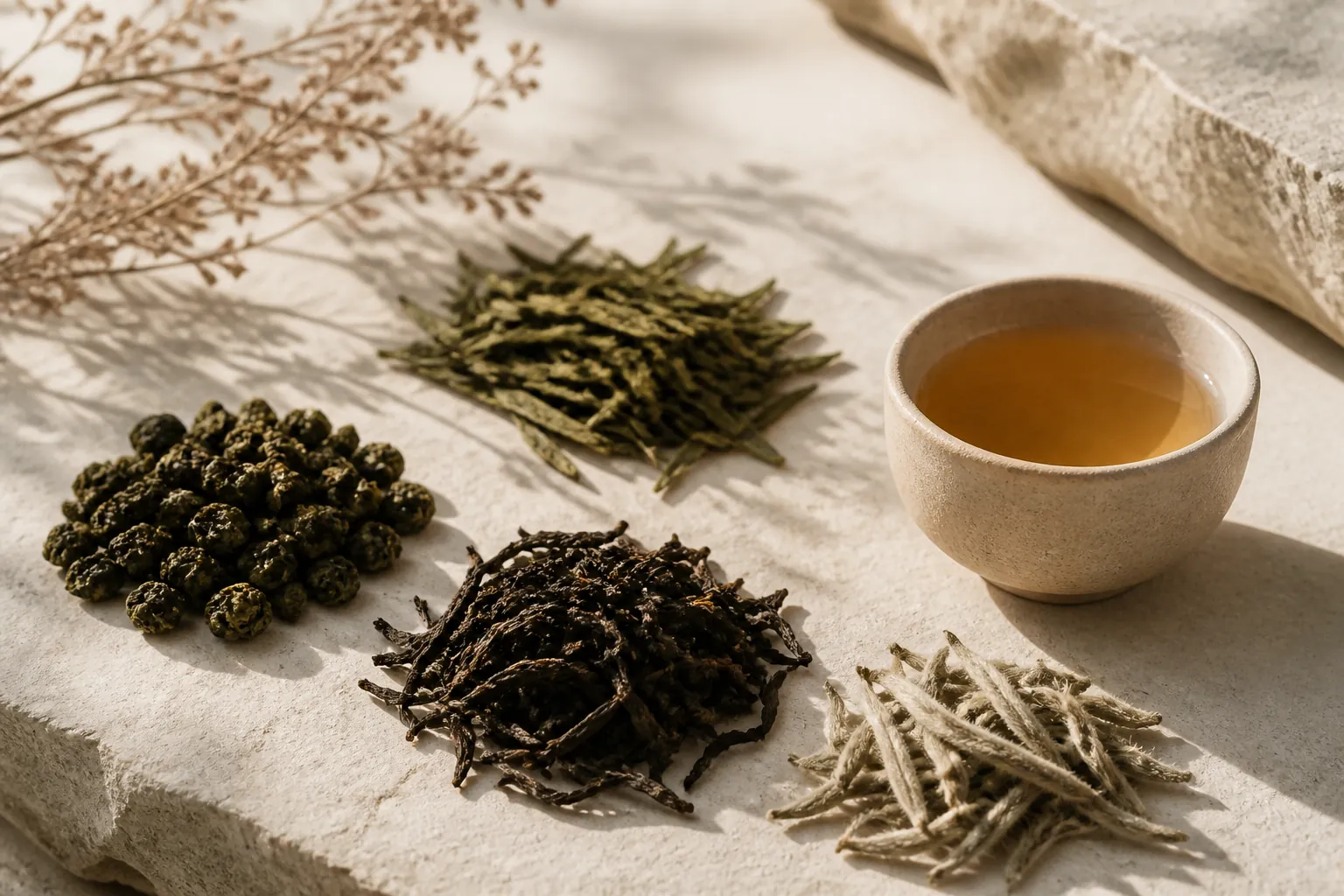
Tea
Every true tea comes from one plant. What separates green from black, and a good cup from a...
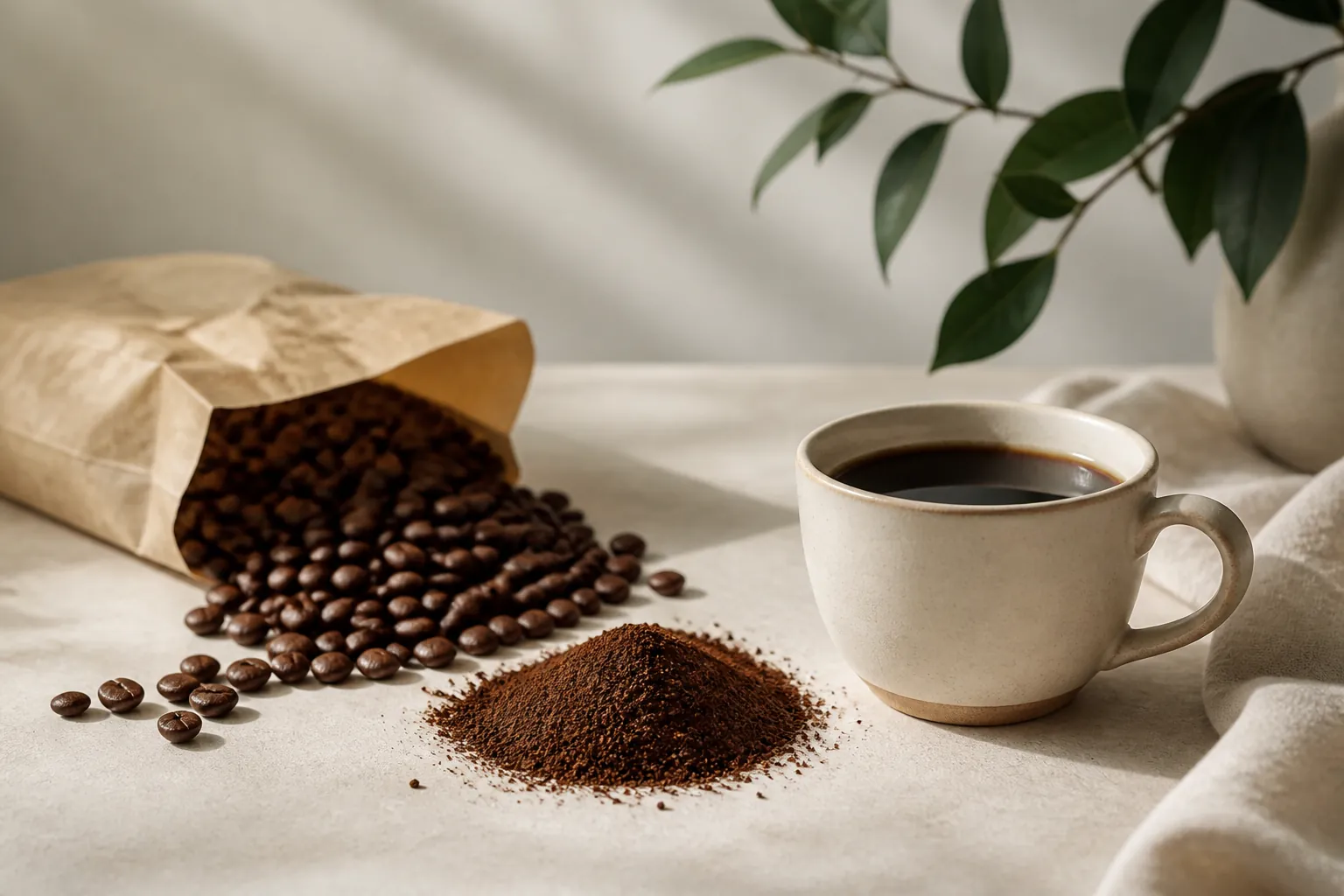
Coffee
Four things decide what lands in your cup: the bean, the grind, the water, and the time they...
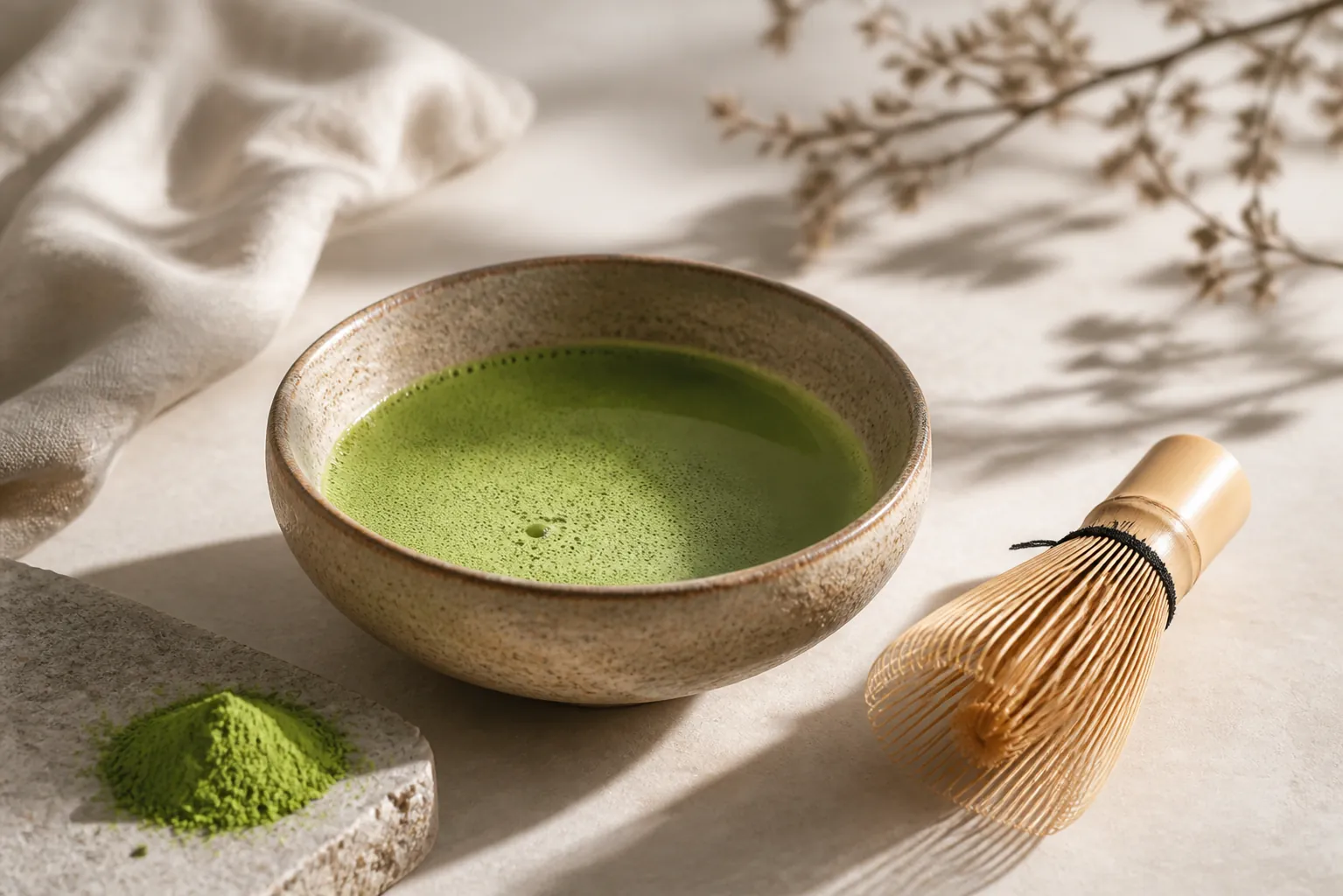
Matcha
Matcha is not steeped and strained like other tea. The leaf is ground to powder and suspended...
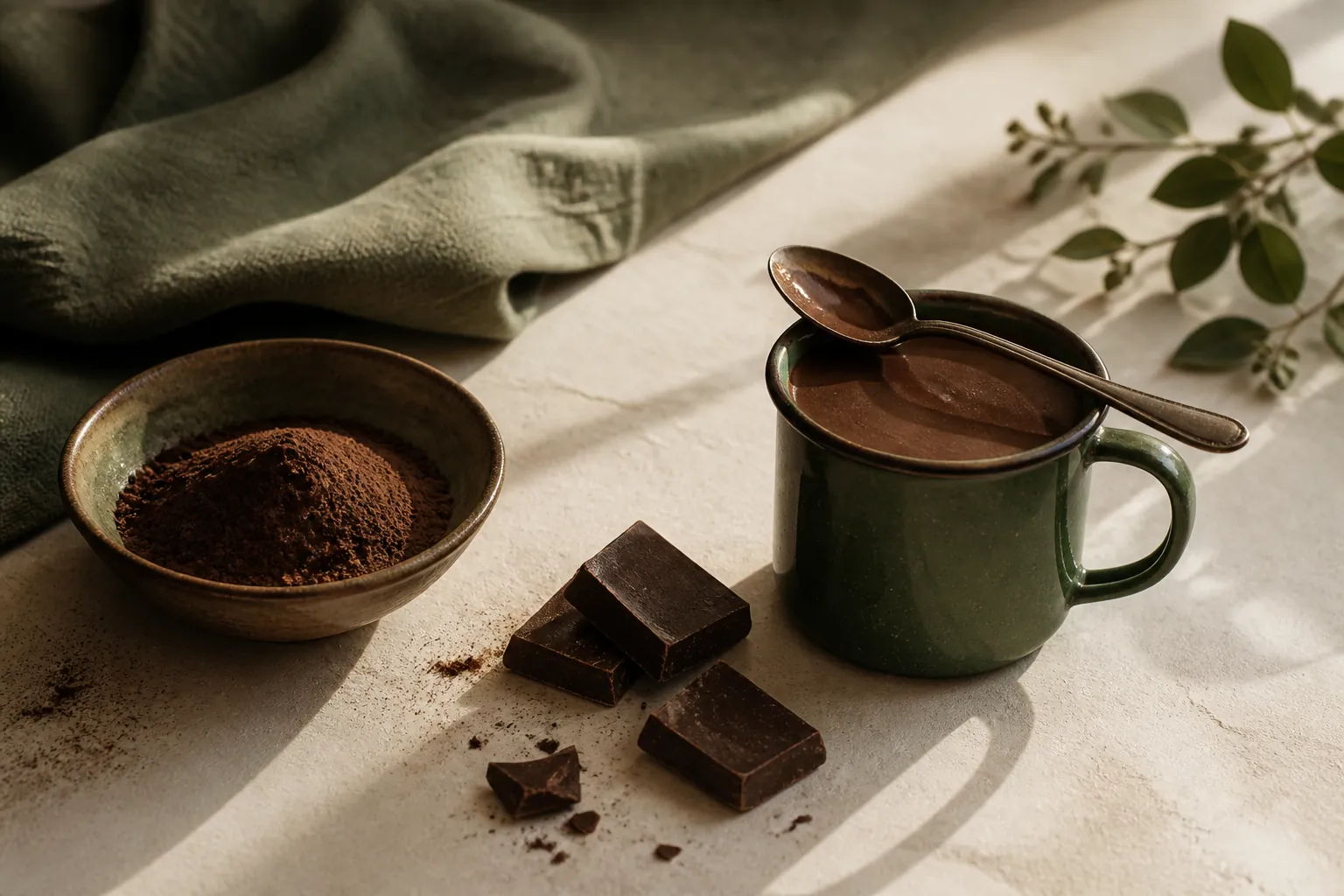
Cocoa
Cocoa powder and drinking chocolate are not the same product, and they do not behave the same...
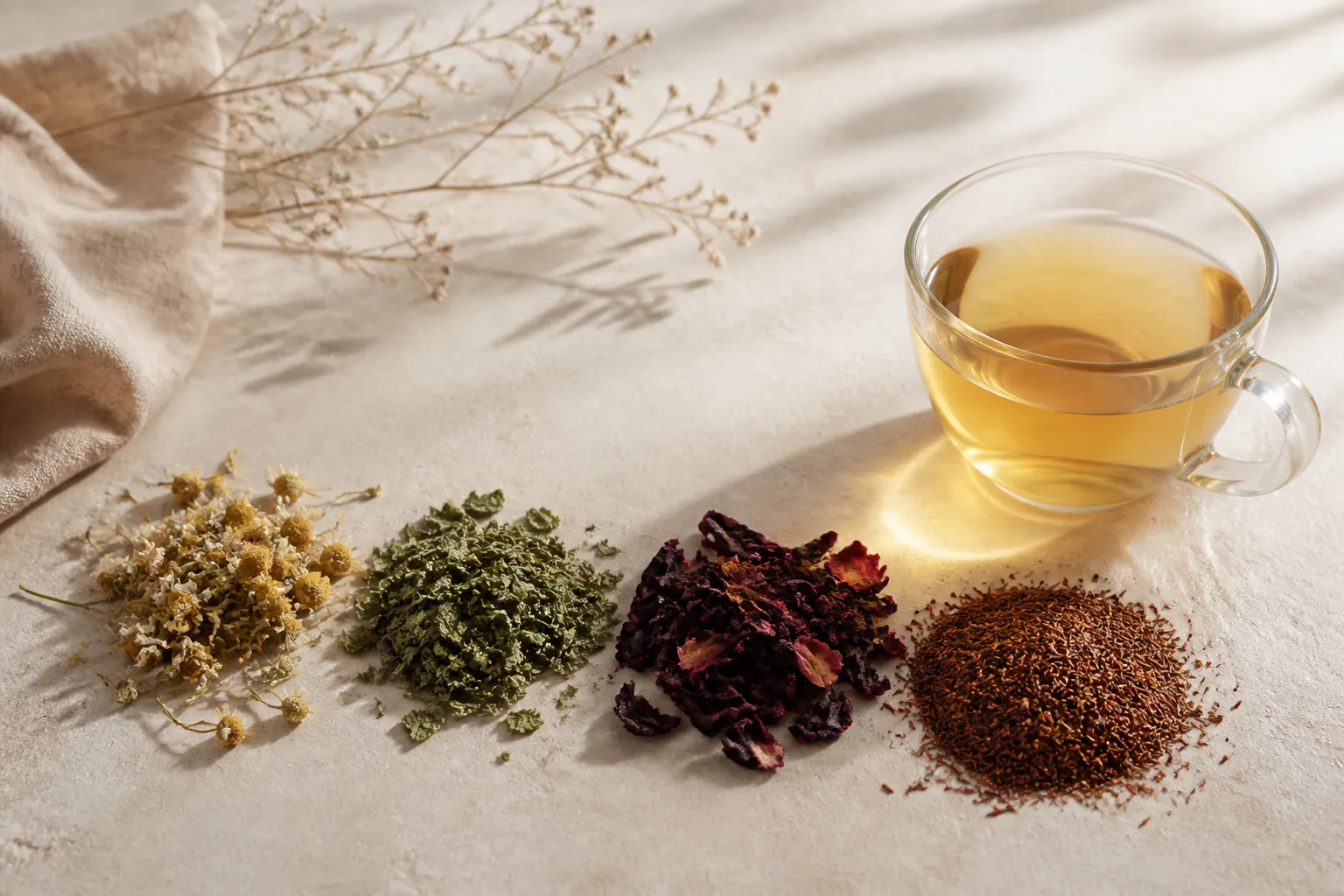
Herbal
An herbal infusion is not tea in the strict sense. It is made from something other than the...
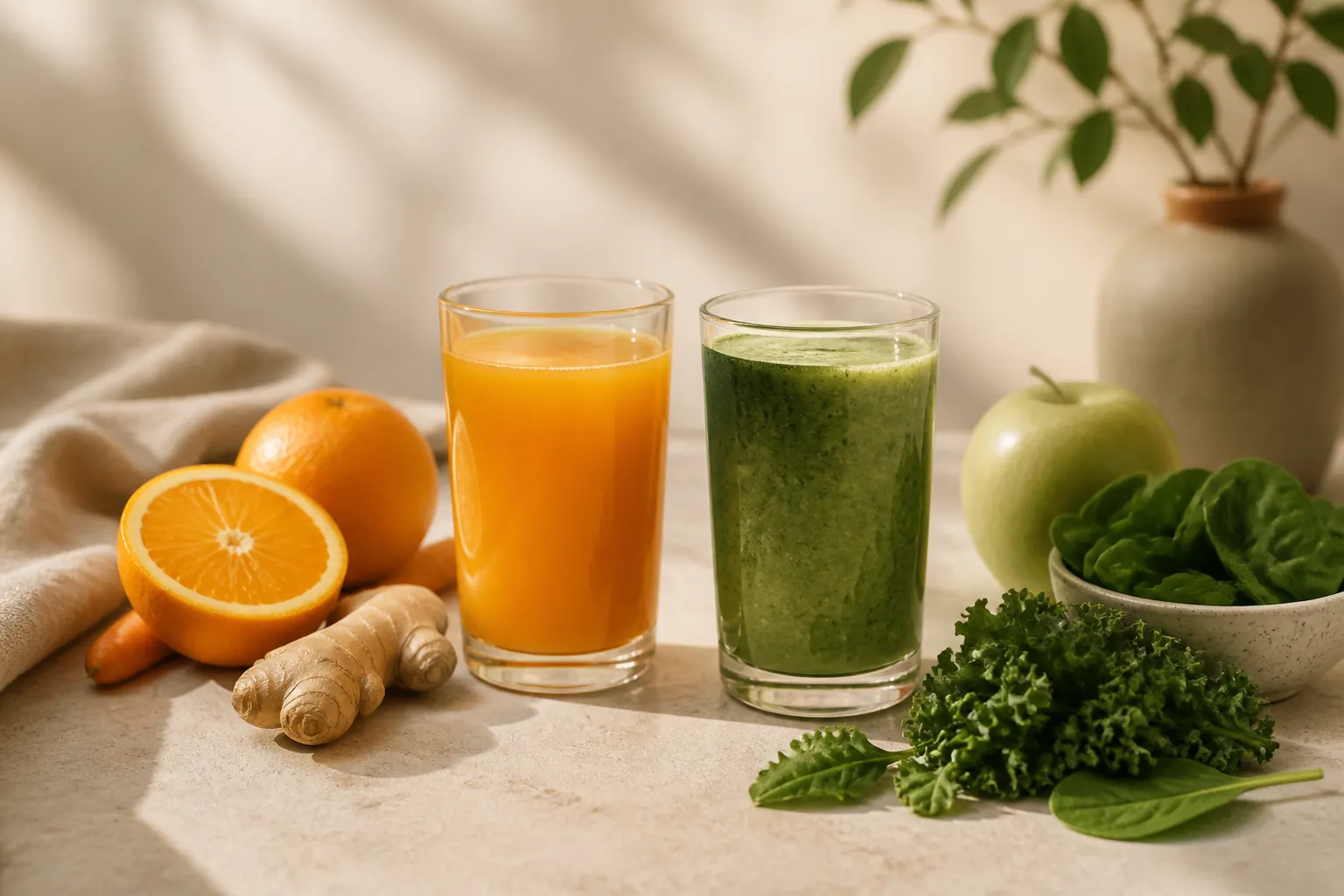
Juice and Smoothies
Juicing removes the fibre and keeps the liquid. Blending keeps everything and breaks it down...
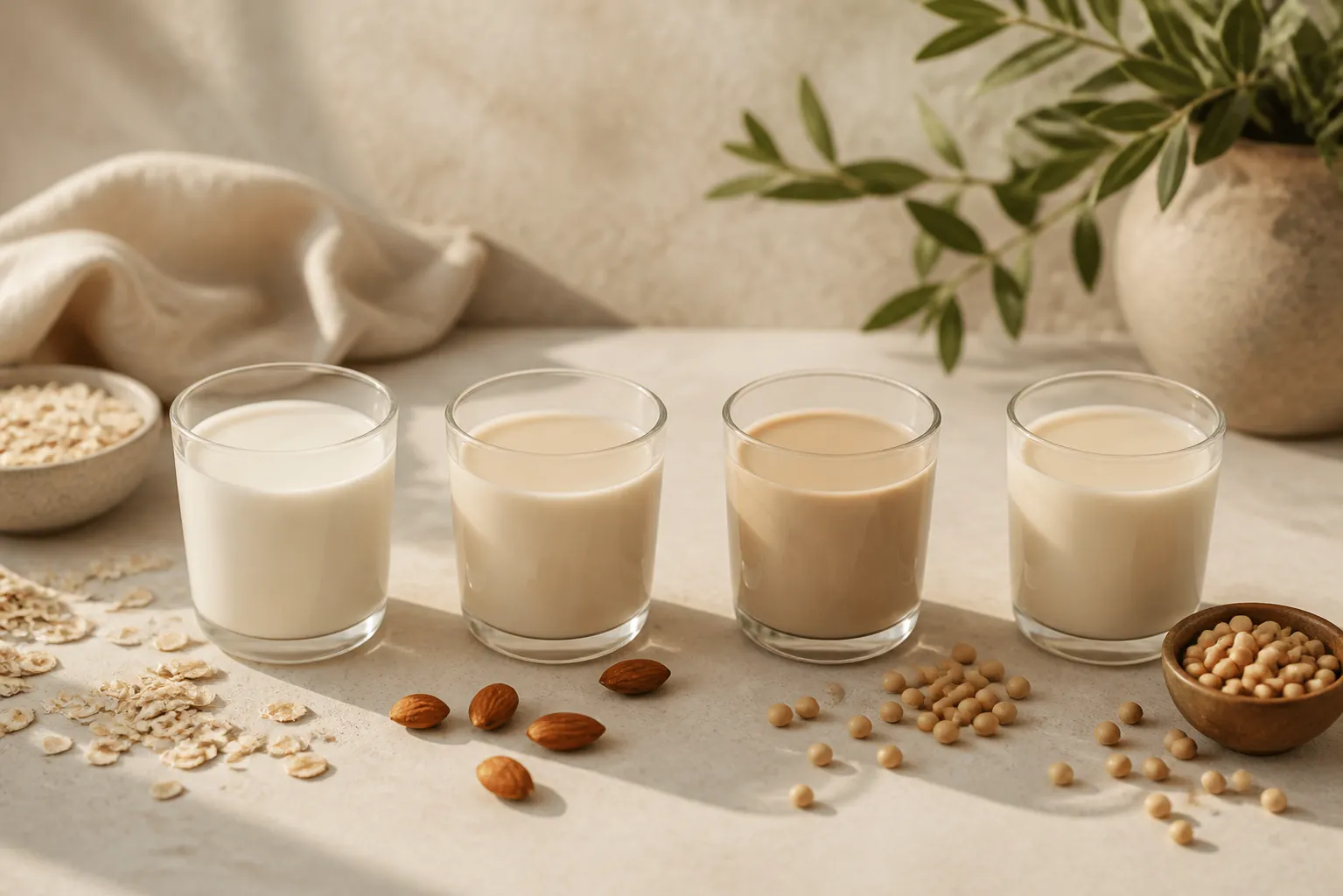
Milk and Plant Drinks
Dairy milk and the plant drinks that stand in for it behave differently under heat, acid, and...
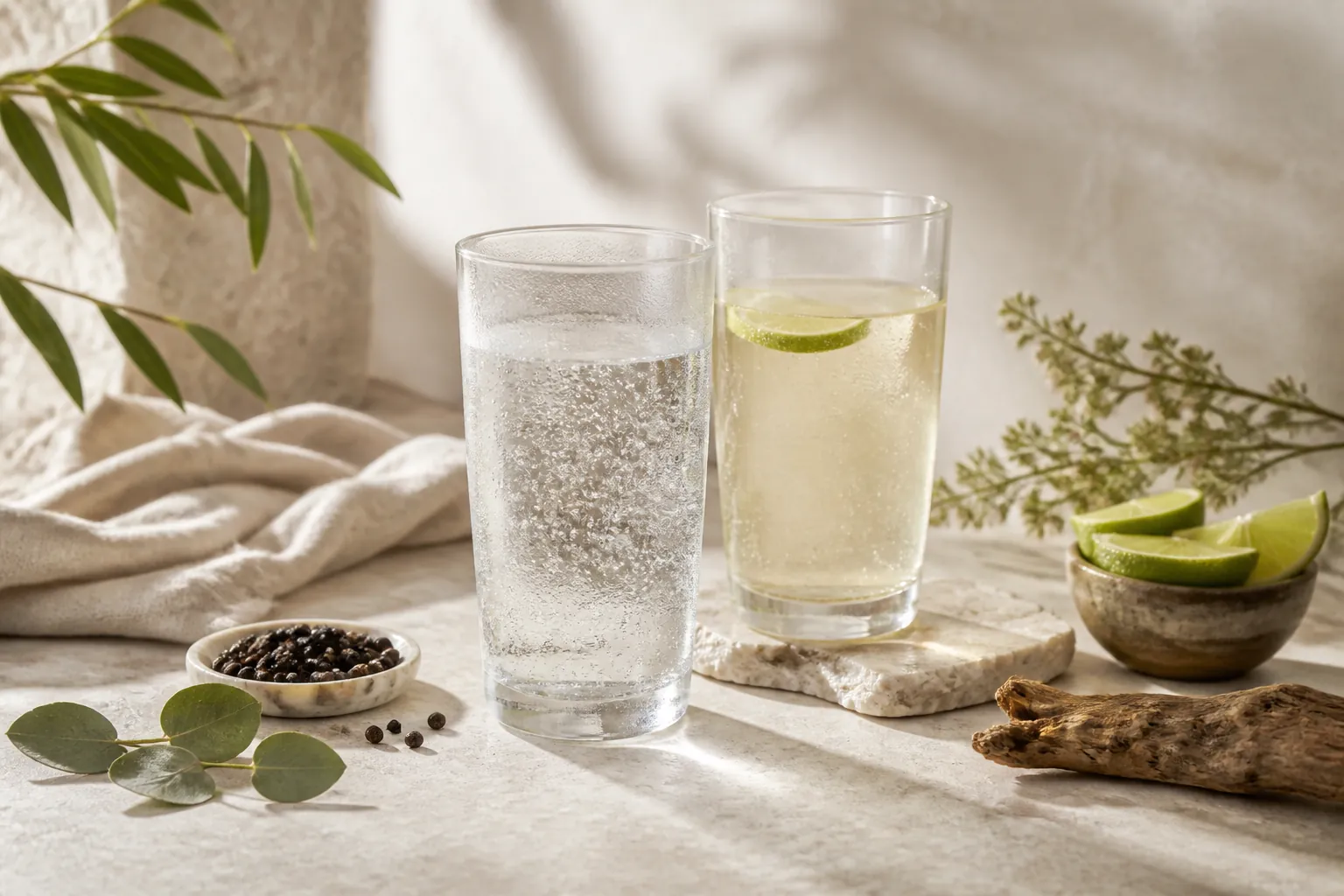
Soda and Sparkling
Carbonation is dissolved gas under pressure, and it is always trying to leave. Everything...
Hydration
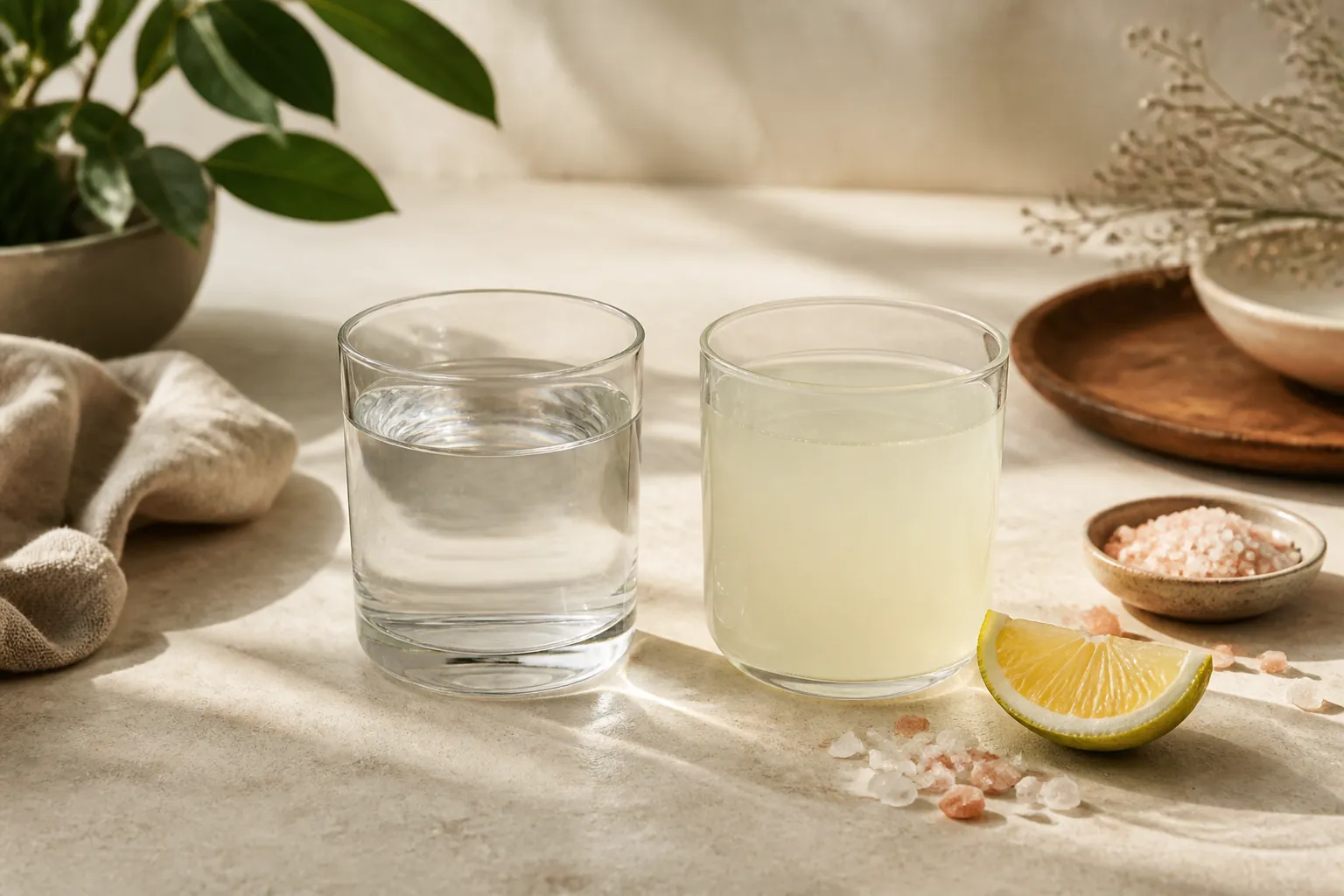
Water, and the drinks built on top of it. What an electrolyte drink adds, in plain terms, and...
What the drink actually is
Where a drink comes from, how it is processed, and what that settles before anyone boils a kettle.
What Is Moka Pot Coffee?
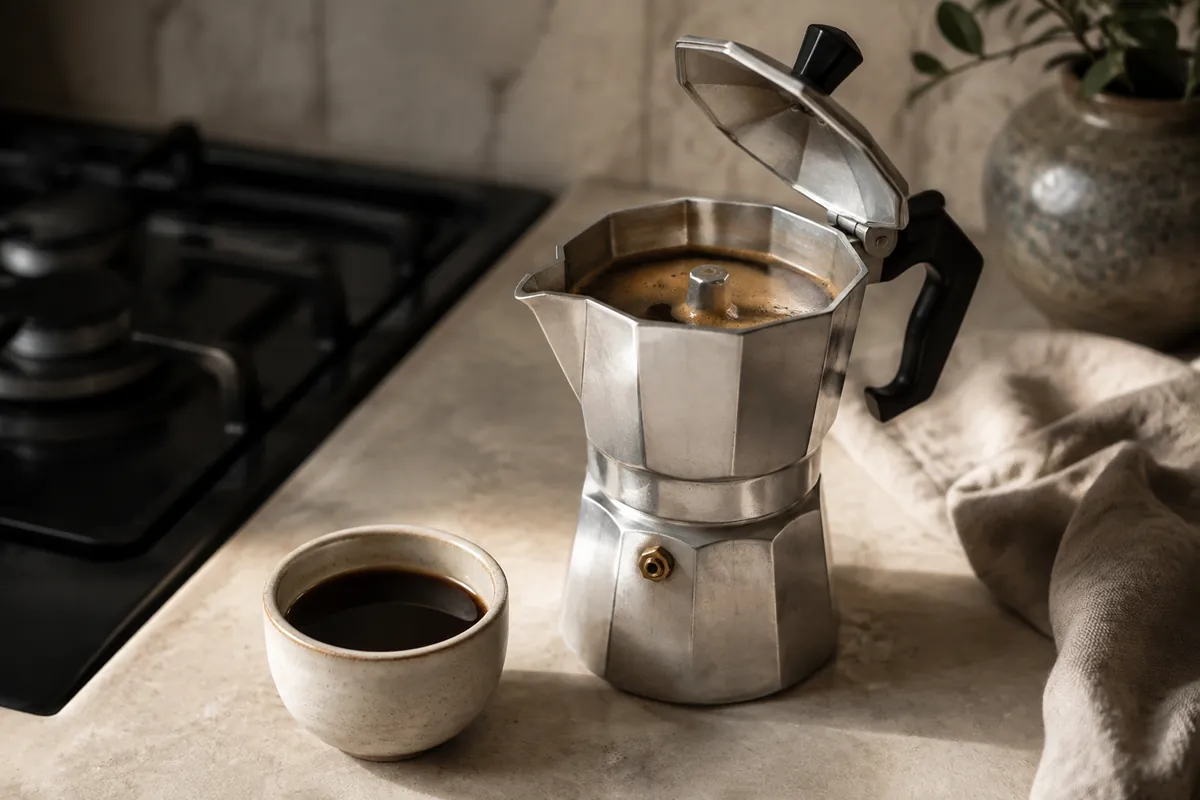
Moka pot coffee is concentrated and full-bodied, but it is not espresso. Its heat-driven upward flow, metal filter, and...
What Is AeroPress Coffee, and Is It Really Espresso?
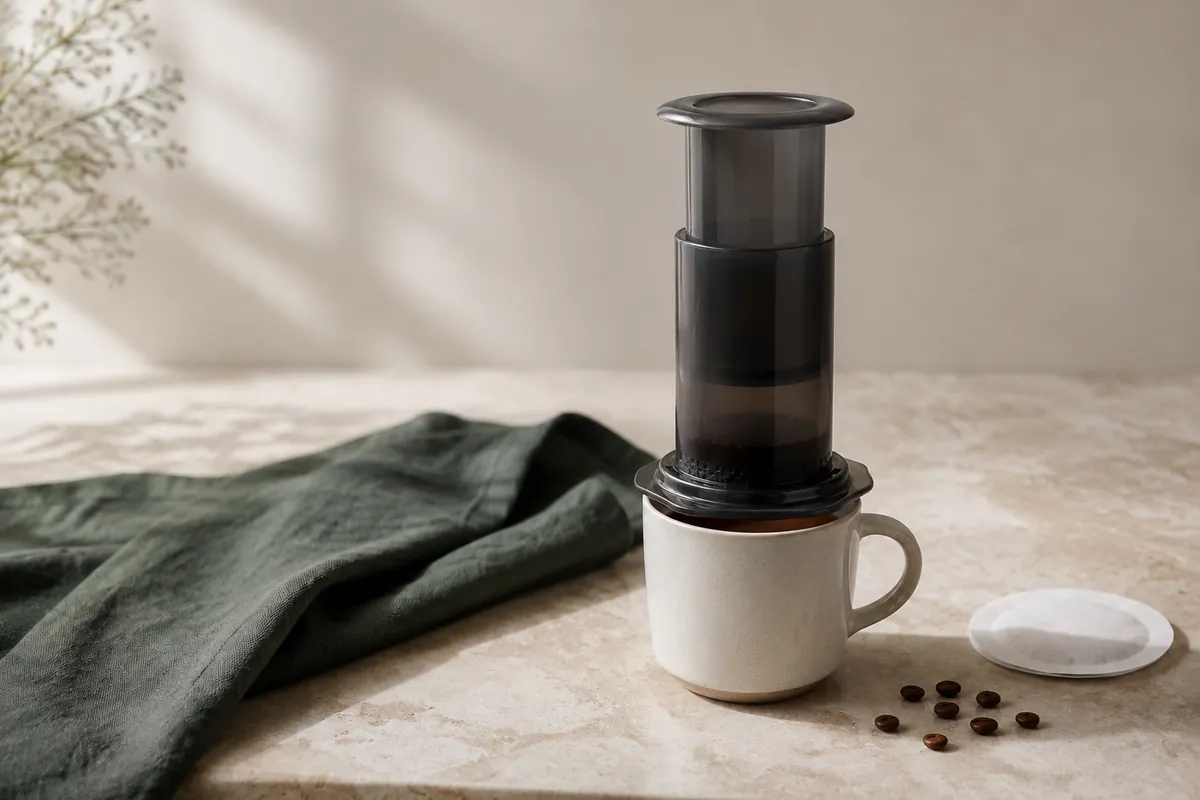
AeroPress coffee takes its identity from the brew cycle, not from one recipe: the grounds steep together, then the...
What Is Matcha? Shade Grown, Steamed, and Stone Ground
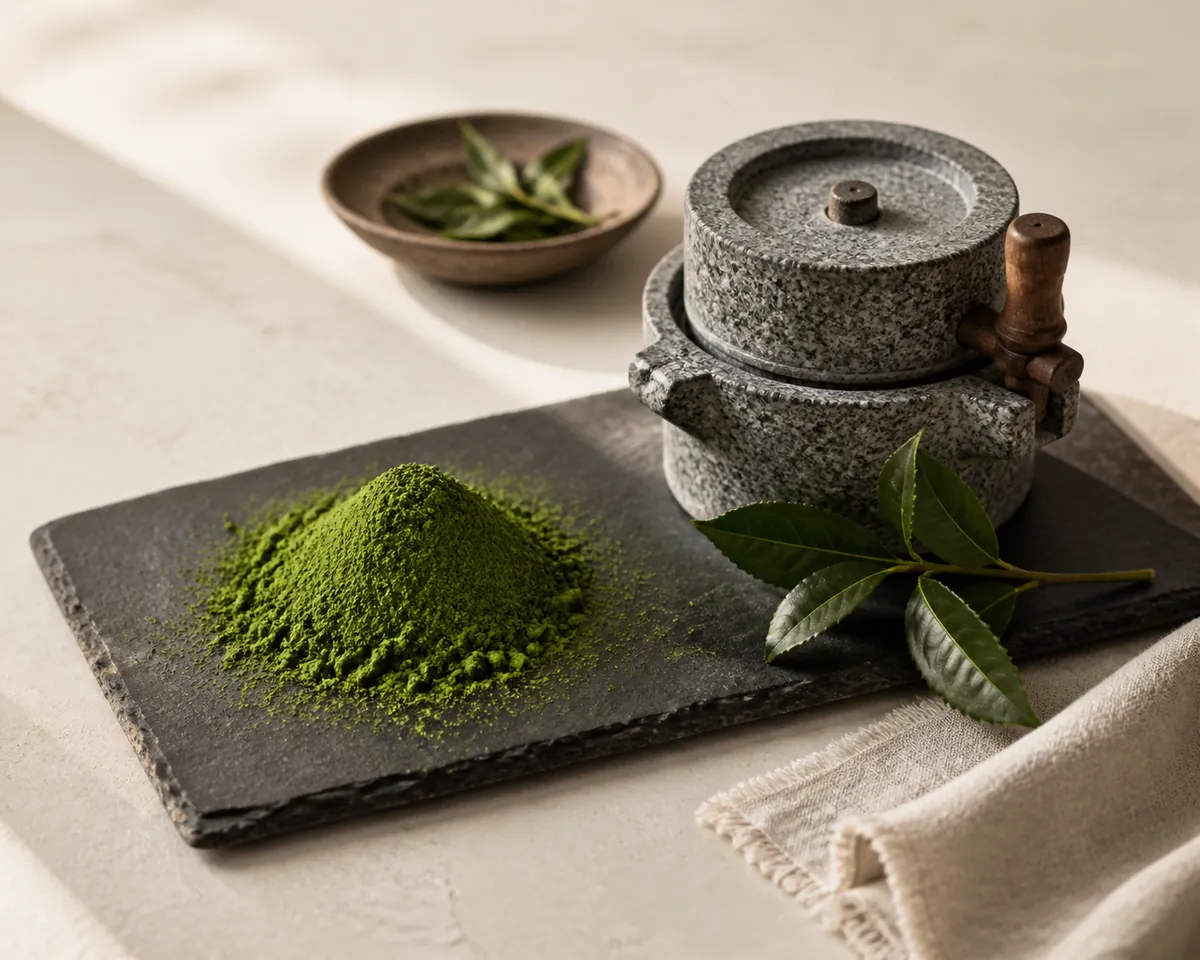
Matcha is green tea leaf that has been shade grown, steamed, dried, stripped of stems, and stone ground into a fine...
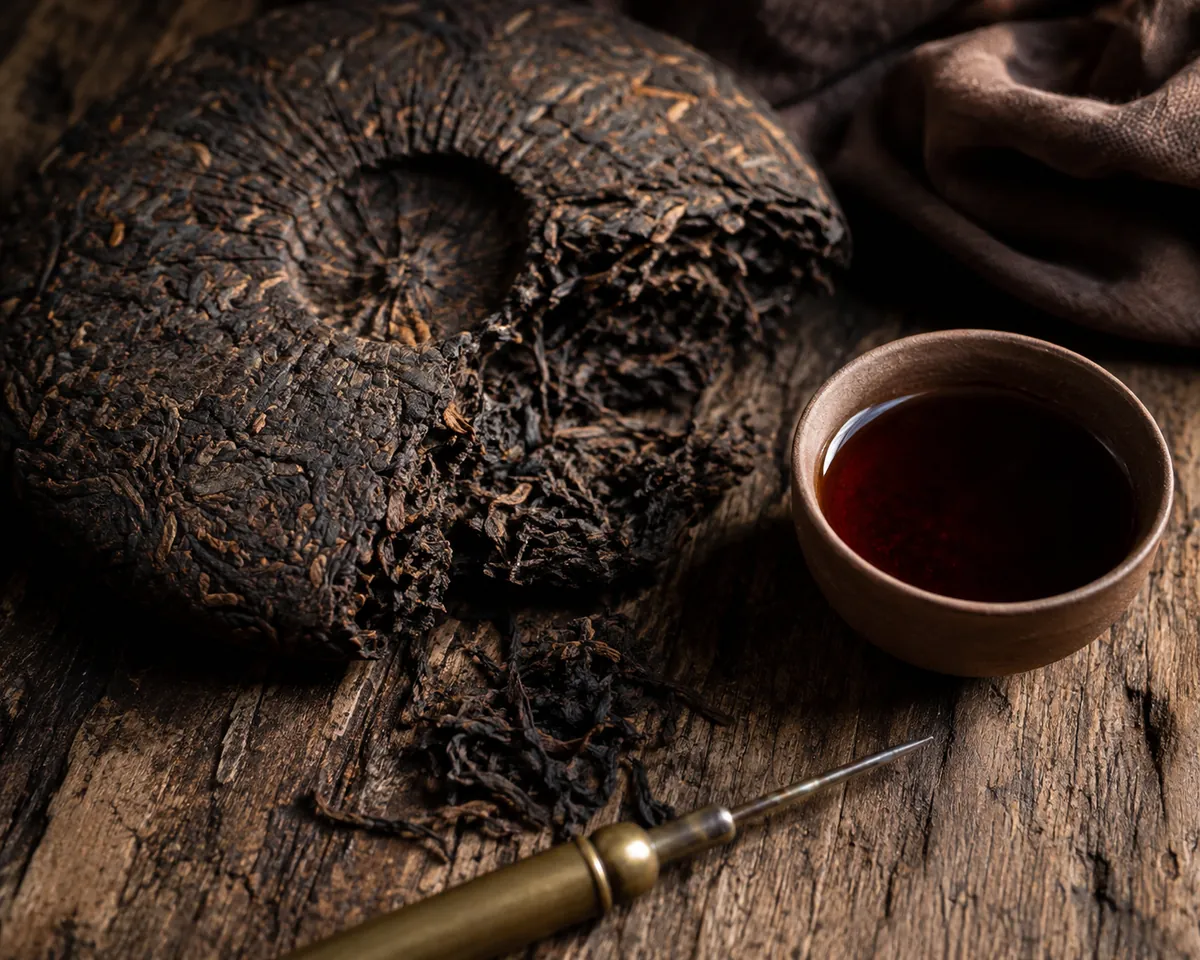
What Is Pu-erh? The One Tea That Is Genuinely Fermented
Pu-erh is the one tea where the word fermented is accurate. Microbes act on the leaf over months or decades, which is...
Ratios, temperatures, and the tools that set them
The numbers you need at the counter, and what each piece of kit is actually doing while you use it.
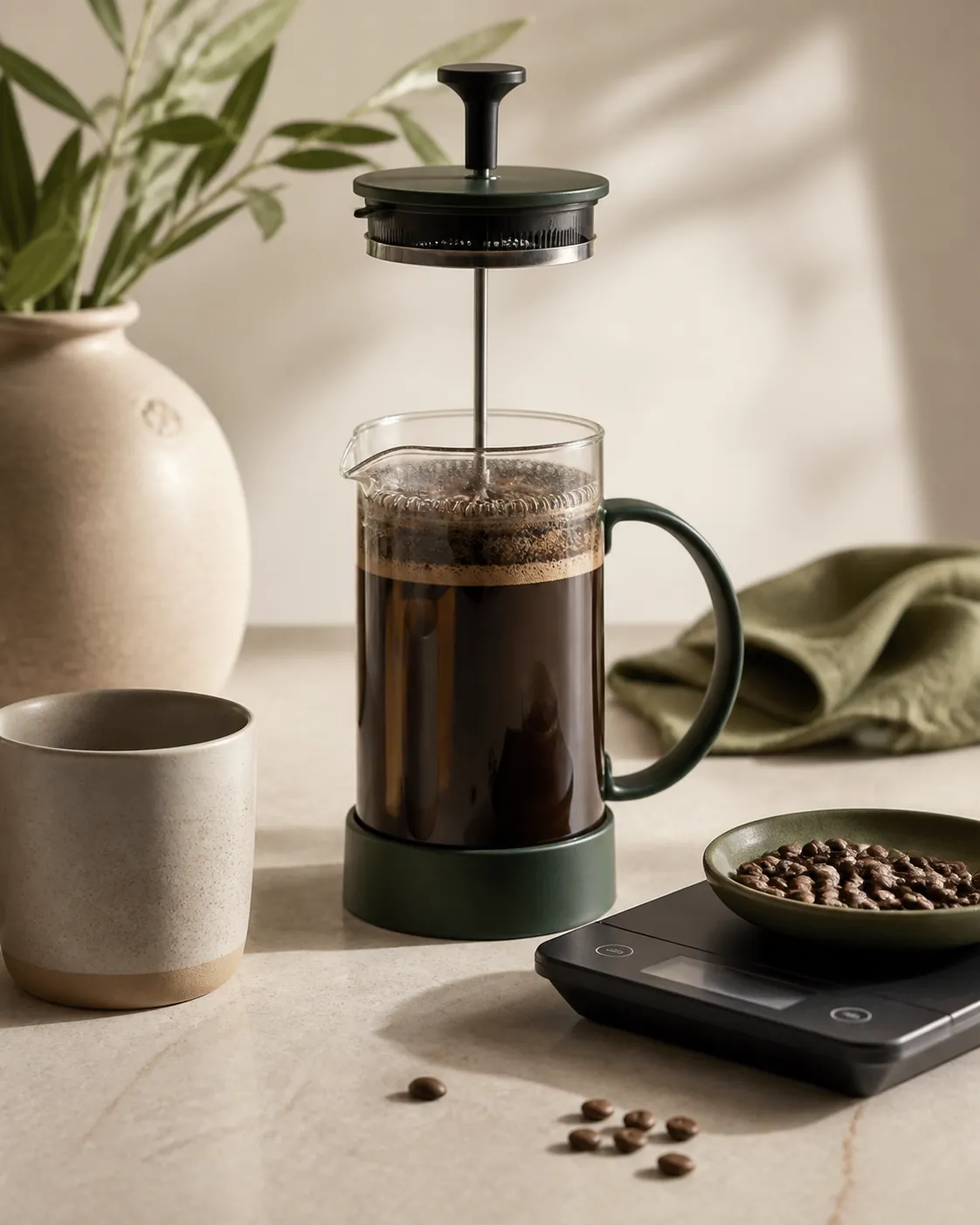
How to Make French Press Coffee: Grind, Ratio, and Timing
Coarse grind, a 1:16 ratio of coffee to water, water just off the boil, four minutes, then plunge slowly and pour it...
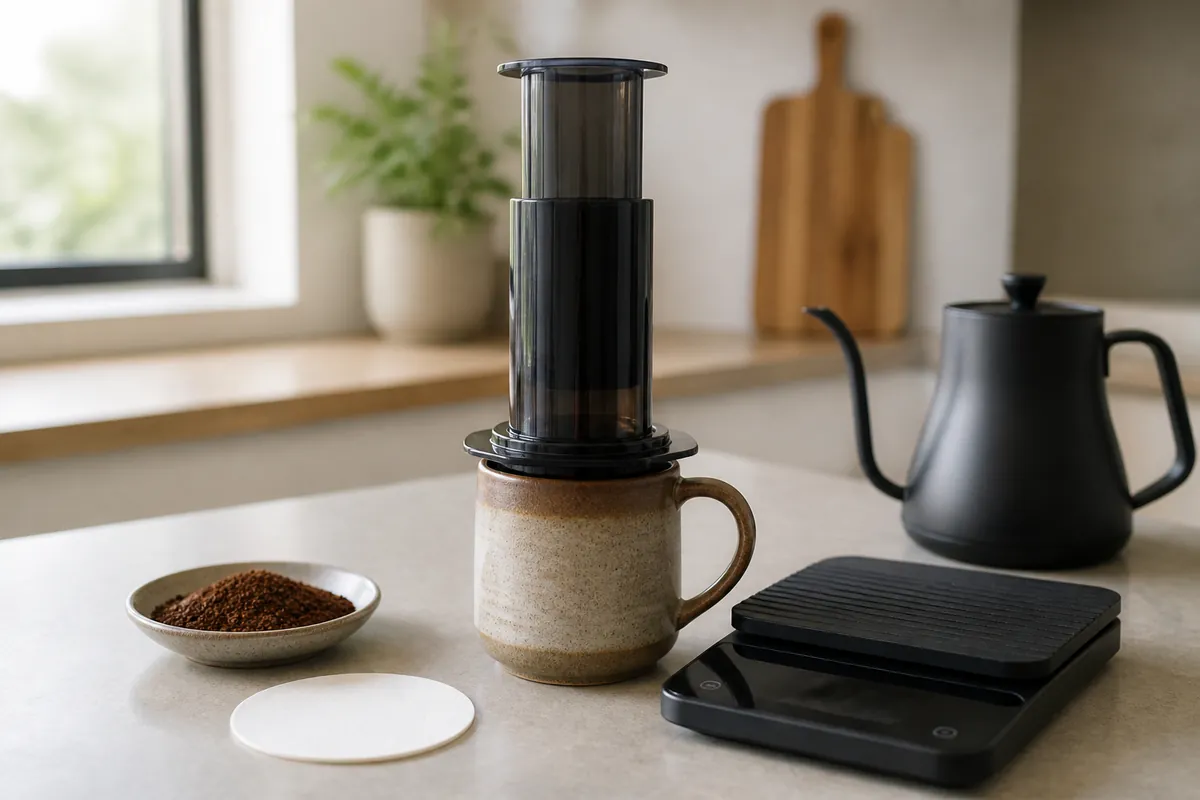
How to Make AeroPress Coffee
Start with a measured upright brew, press gently, and use taste and plunger resistance to make one useful adjustment at...
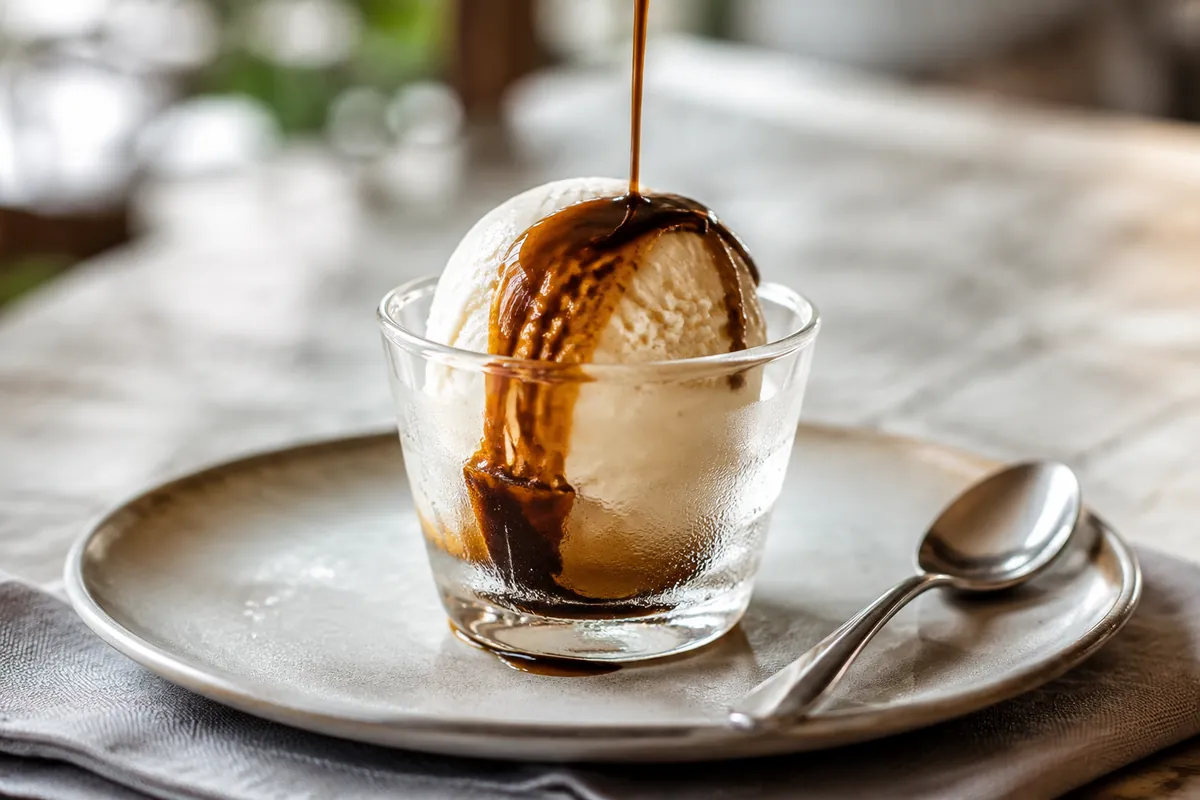
How to Make Affogato
Affogato succeeds when hot concentrated coffee melts only the outside of a firm frozen scoop, leaving sauce, soft edge...

The handful of ingredients that decide most drinks
Almost every drink here is mostly water, plus two or three things that change how it tastes. These are the ones that turn up across every family, and knowing what each actually does is worth more than any single recipe.
Water
Between 95 and 99 per cent of what you drink. Its mineral content decides how much flavour is pulled out of coffee or tea, which is why the same beans taste different in two kitchens.
Sugar and syrups
Sweetness is only the first job. Sugar also carries body and suppresses bitterness and acid, which is why a drink with it removed tastes thinner and sharper rather than simply less sweet. Simple syrup exists because it will not dissolve cold.
Acid
What people mean when they call a drink fresh. It makes you salivate and clears the palate between sips, and it is the difference between a sweet drink that lingers and one that moves on. Citric acid is the same job as a powder.
Ice and milk
Both dilute, and both change texture as they do it. Plant drinks behave differently again, because their proteins meet acid and heat in ways dairy does not.
Bitter, flat, split, or stale
Most drink problems have one or two causes. Start from what you tasted, and there is usually a single variable worth changing next time.
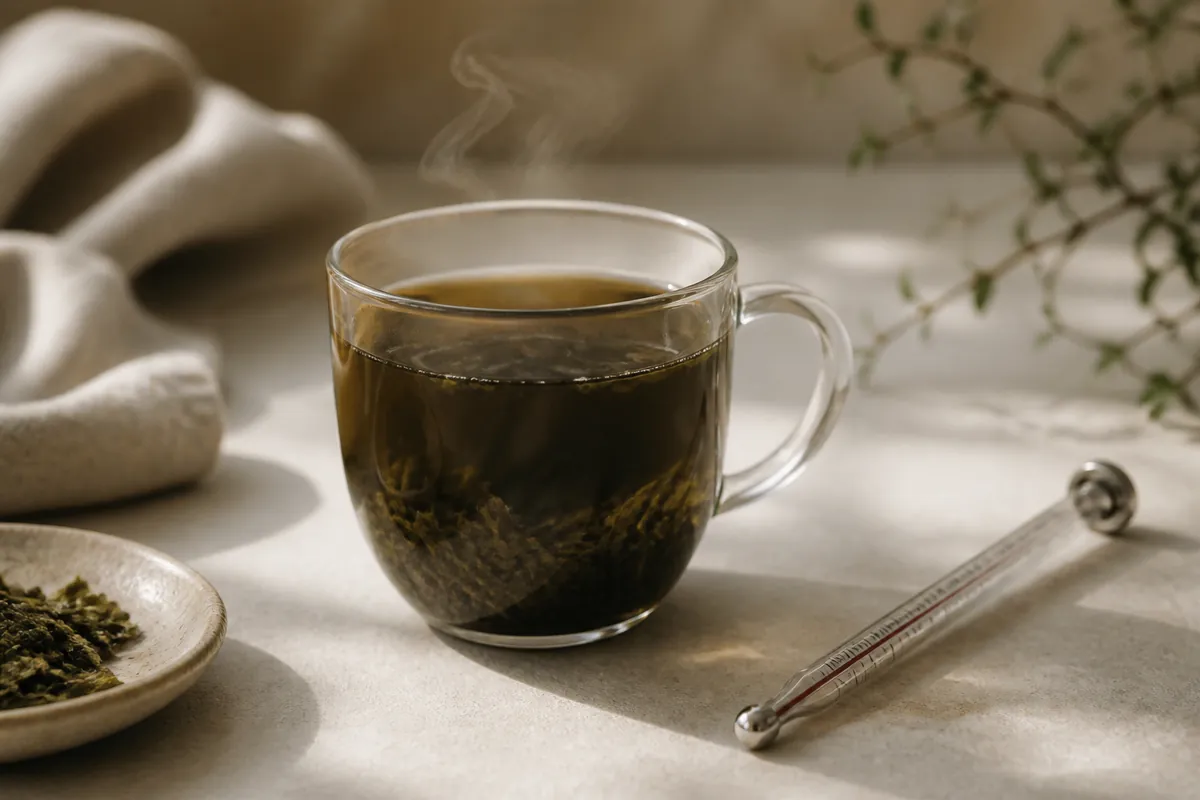
Why Does Green Tea Taste Bitter? Heat, Time, and Leaf Quantity
Nearly all bitter green tea comes down to two things: water that was too hot, or a steep that ran too long. Both pull...
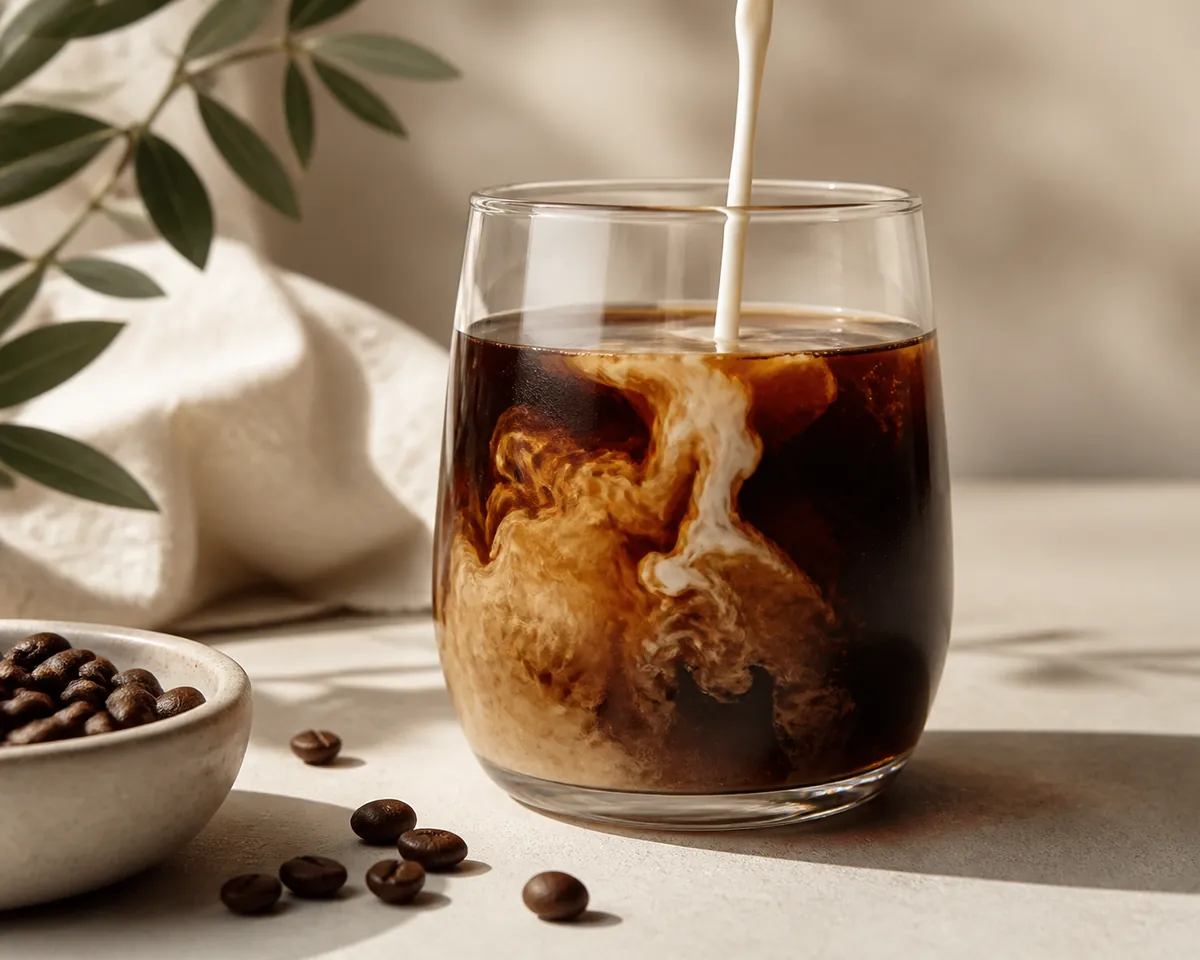
Why Does Plant Milk Curdle in Coffee? Acid, Heat, and Build
Plant drinks split in coffee for three reasons: the coffee is acidic, the coffee is hot, and the drink went in cold...
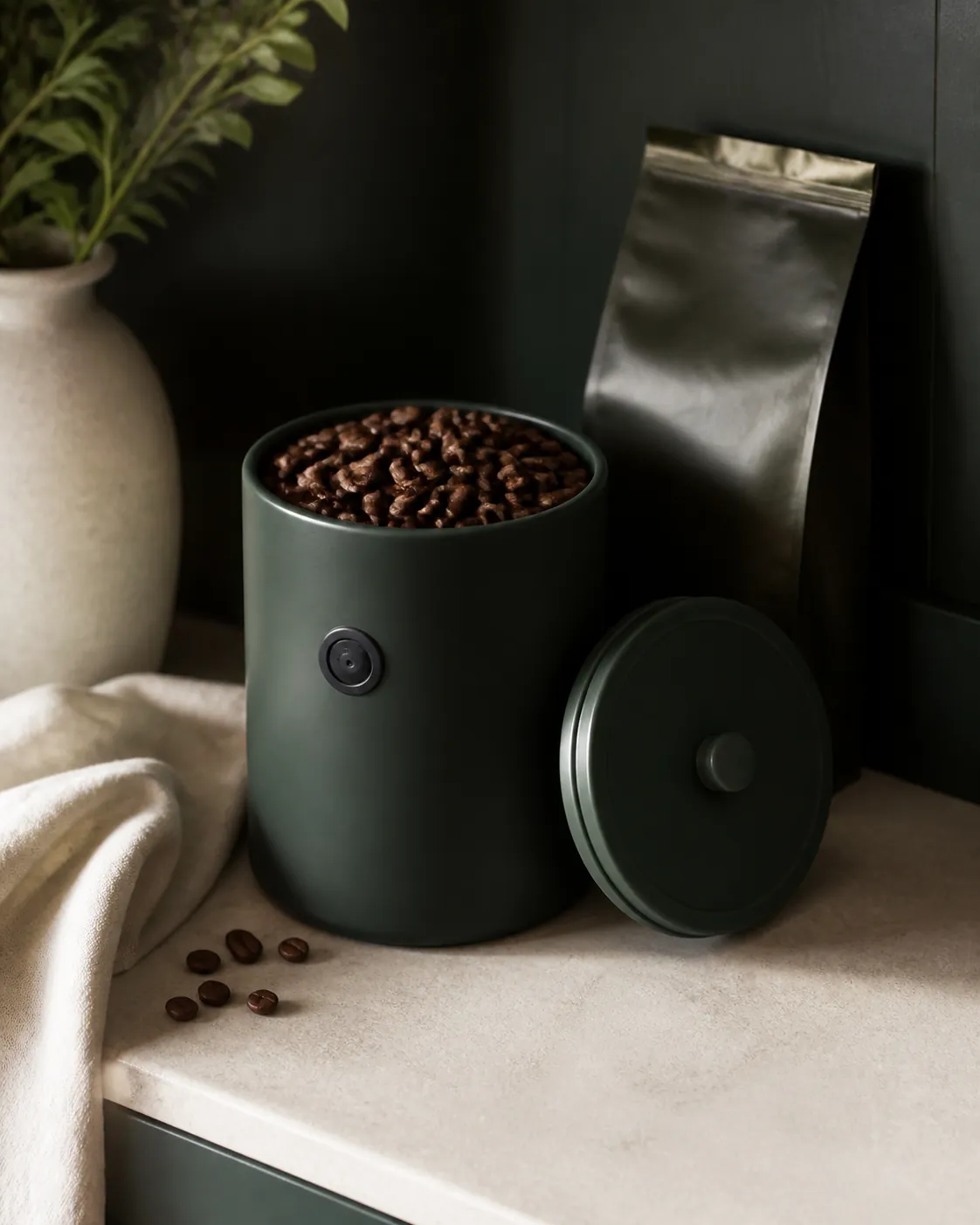
How to Store Coffee Beans: Opaque, Airtight, Room Temperature
Buy whole beans, keep them in an opaque airtight container at room temperature, and grind them as you go. Almost...
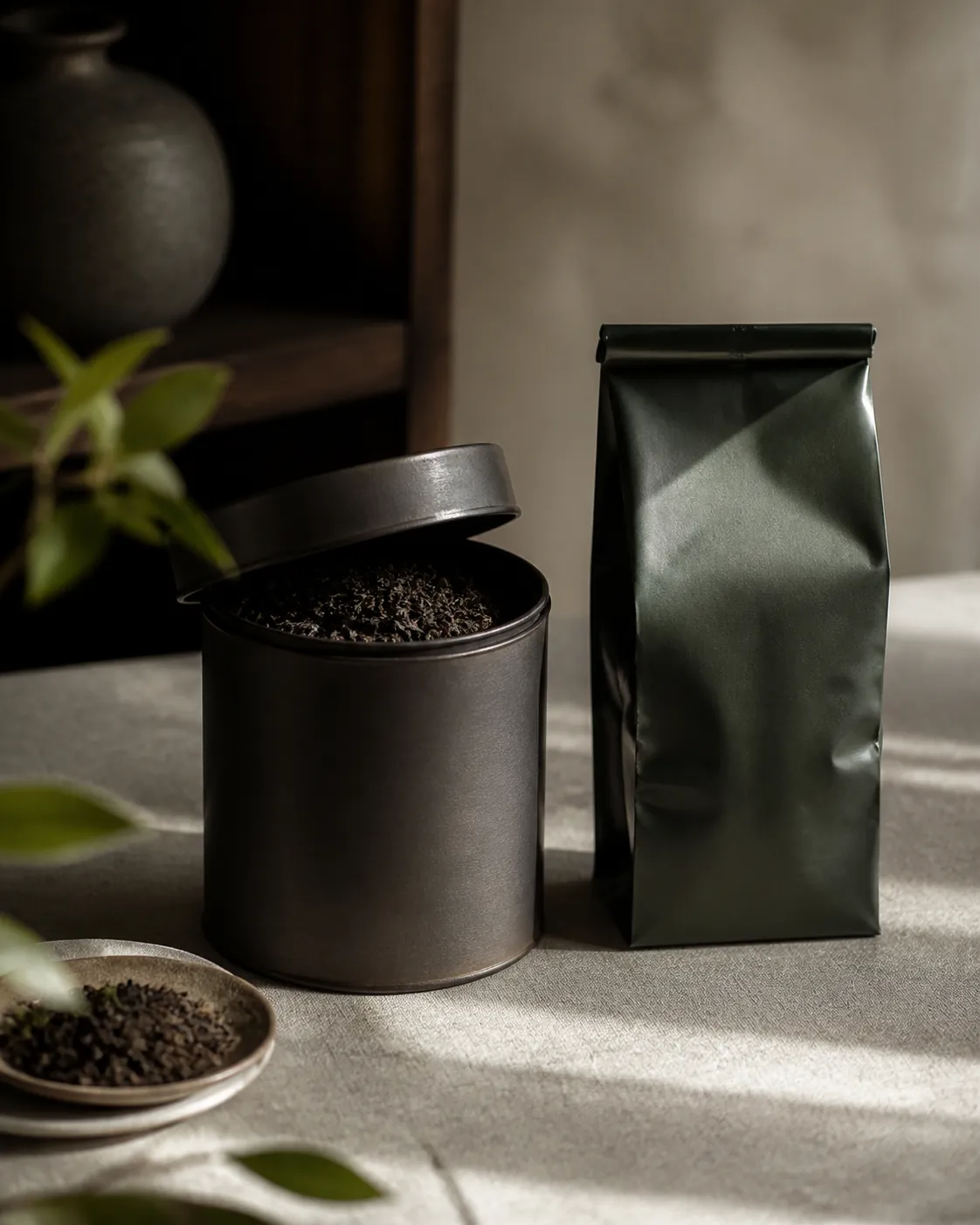
How to Store Loose-Leaf Tea: The Five Things That Flatten It
Tea does not spoil in a way that makes it unsafe. It goes flat. Five things cause that, and an opaque airtight tin in a...

How much is in what you are drinking
An espresso and a mug of green tea are not in the same league, and neither is a cup of decaf and a rooibos. These are the usual bands for an ordinary serving, so you can see roughly where one drink sits next to another.
-
None No caffeine from the drink itself.
-
Low Roughly up to 30 mg in a normal serving.
-
Moderate Roughly 30 mg to 80 mg in a normal serving.
-
High Roughly 80 mg to 150 mg in a normal serving.
-
Very high Above roughly 150 mg in a normal serving.
When two options look interchangeable
Two drinks held against each other on the handful of attributes that actually decide between them.
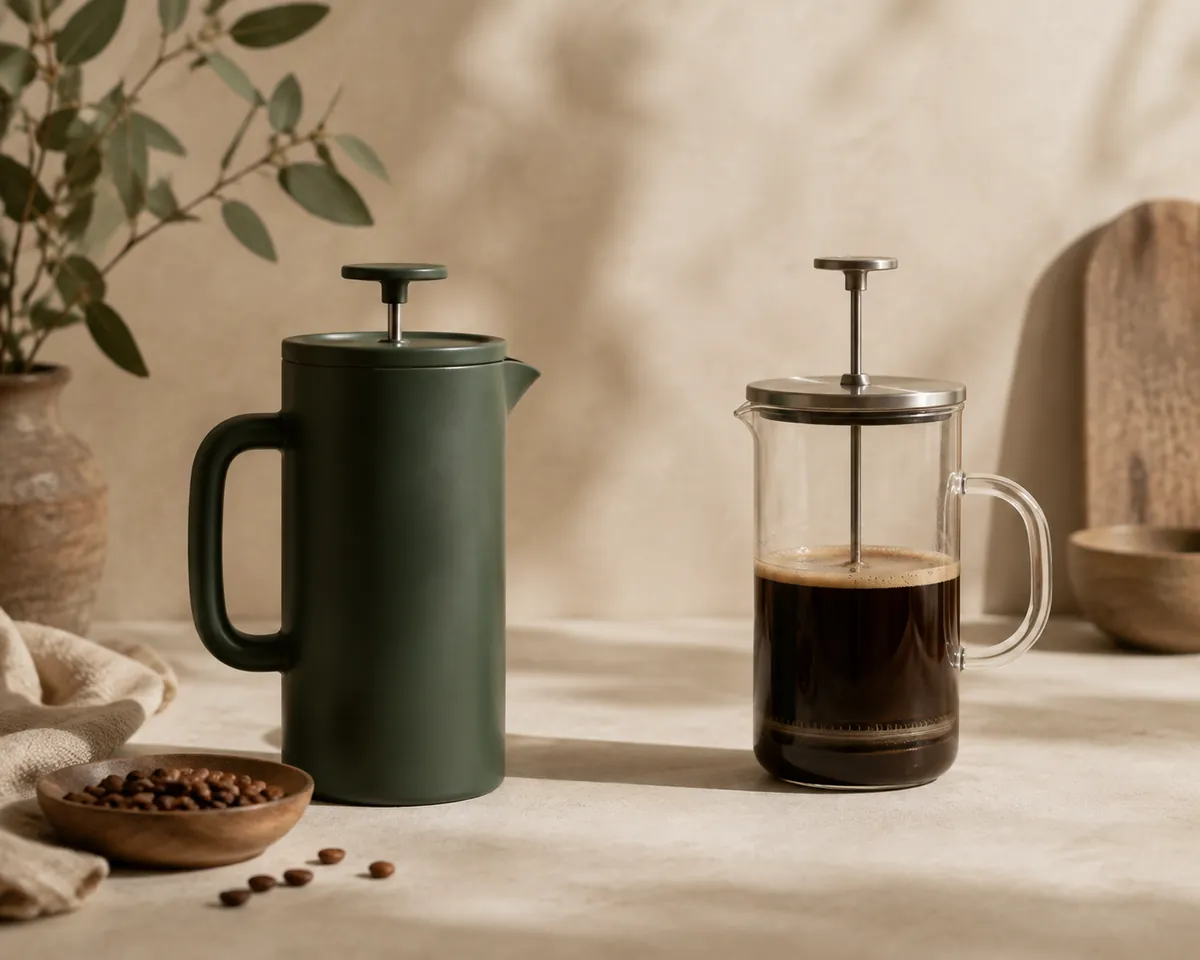
AeroPress vs French Press: What the Filter Takes Out
Both are immersion brewers, so the coffee steeps the same way in each. Paper takes out the oils and the fines...
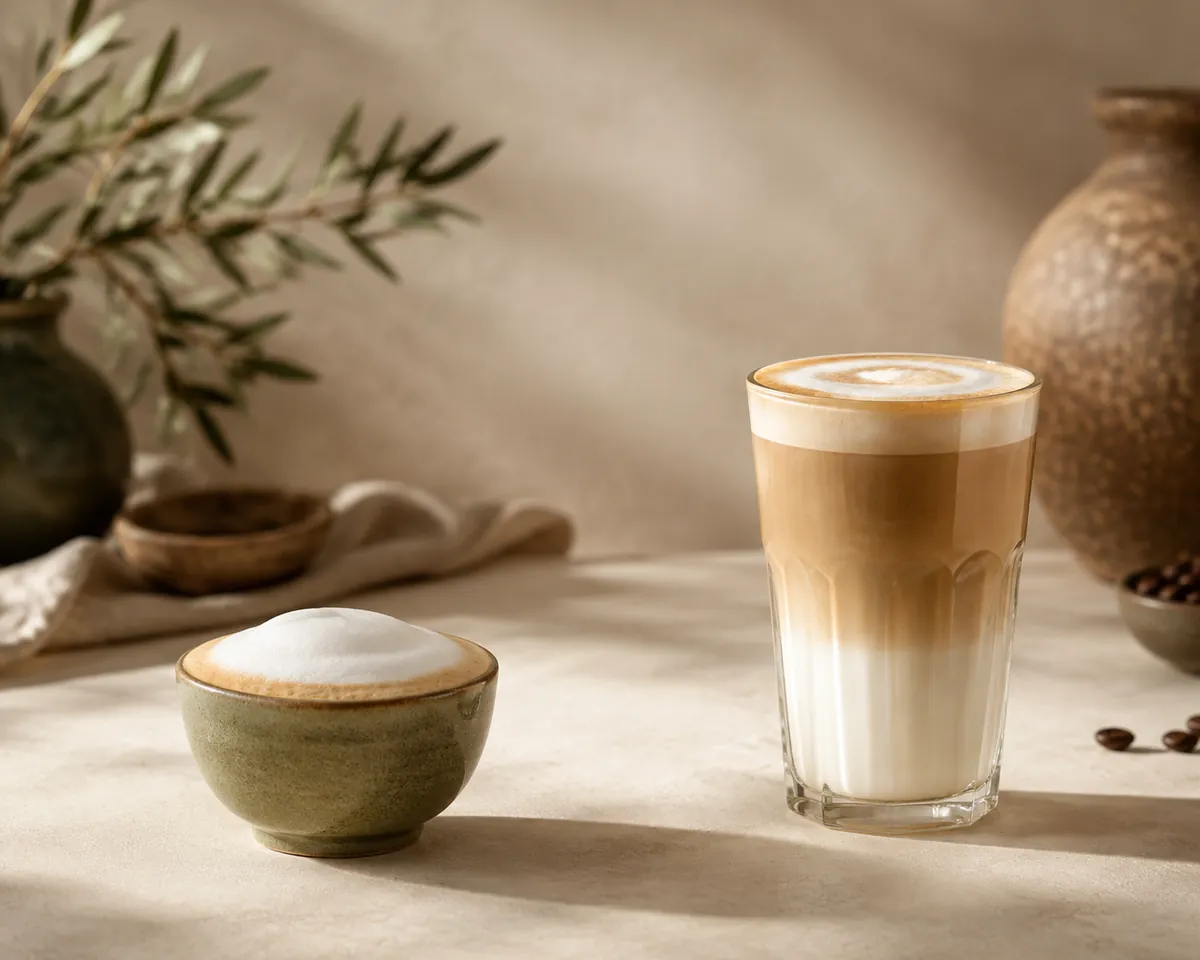
Cappuccino vs Latte: Where the Foam Stops and the Milk Starts
A cappuccino gives about a third of a small cup to foam. A latte lets the milk run to 250 ml and folds a thin...

Nearly every drink problem is one of four things
Change one at a time and taste in between. A cup that came out wrong almost always did so because of temperature, ratio, time, or the grind, and the four interact.
Temperature
Green tea wants 70 to 80 C and turns harsh above it; rooibos and black tea want it fully boiling. Steeping temperature sets out where each style sits, and why green tea goes bitter is the clearest case of getting it wrong.
Ratio
Roughly 60 g of coffee per litre, 2 to 3 g of tea per 200 ml, 2 g of matcha in 70 ml. Strength comes from the ratio; a longer brew is not the same lever. Cold brew is the extreme case at four times the dose.
Time
Green tea forgives seconds, rooibos forgives ten minutes, and cold brew is measured in hours. What changes is not strength alone but which compounds arrive, and in what order.
Grind and leaf
Surface area decides how fast water can take anything at all, which is why an even grind matters more than an expensive brewer, and why the same leaf in a cramped infuser under-extracts.
Latest guides
What to expect from a guide here
KnowSips is written and edited in-house, and sells nothing. There is no shop, no affiliate link, and no sponsored coverage, so nothing here is steering you towards a purchase.
- The mechanism, not the rule
- A guide explains what is happening in the cup, so the advice still holds with different kit and different water.
- Ranges stay ranges
- Where the real figure varies from kitchen to kitchen, you get the range rather than a confident number that would be wrong.
- No invented experts
- Guides are bylined to the editors. A reviewer is named only where a real one checked the page.
- No health advice
- Where a guide would need a dietitian or a doctor to say something responsibly, it does not say it.